Explore a range of transformative publications from Miramar International Foundation that delve into cutting-edge agricultural practices and innovative solutions. Uncover the potential of Controlled Environment Agriculture for nutrient-rich vegetable cultivation tailored to school feeding programs. Delve into the captivating world of Urban and Peri-Urban Agriculture, discovering strategies that bridge urban living and sustainable food production for a greener future.

Explore the forefront of sustainable agriculture through Miramar International Foundation’s publication on the ‘Feasibility Study – Ruben Center Demo Unit.’ Delve into the realm of Controlled Environment Agriculture, unveiling a cutting-edge system designed for nutrient-rich vegetable cultivation, ideal for school feeding programs. Uncover the synergy of innovative technology and eco-conscious practices, ensuring abundant harvests.
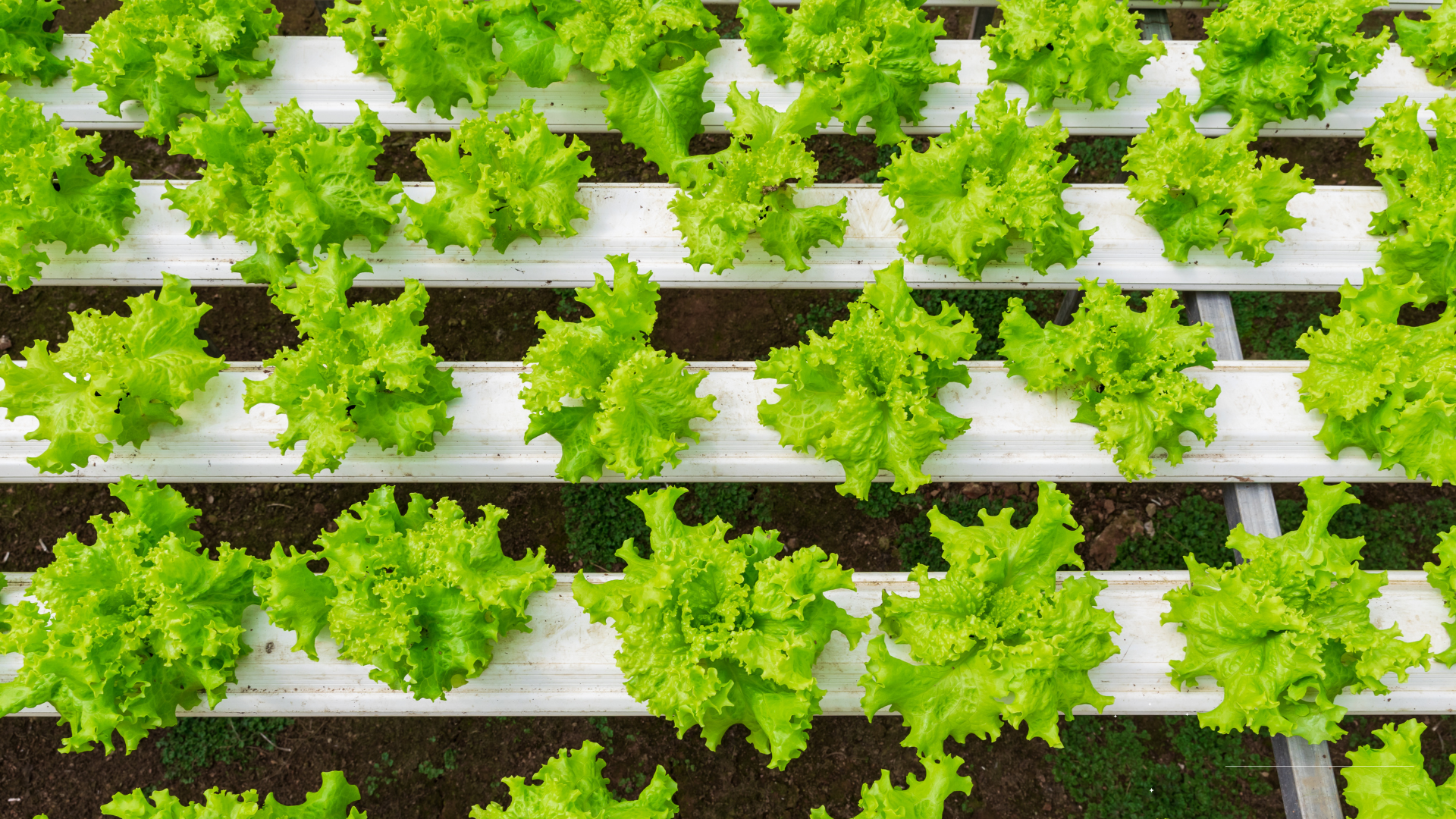
Discover the hidden world of Urban and Peri-Urban Agriculture (UPA) through Miramar International Foundation’s compelling publication. Explore the innovative strategies that bridge urban living and sustainable food production, from rooftop gardens to vertical farming, and unlock the potential of transforming cityscapes into thriving agricultural landscapes. Learn more in our publications section.

Explore the forefront of sustainable agriculture through Miramar International Foundation’s publication on the ‘Feasibility Study – Ruben Center Demo Unit.’ Delve into the realm of Controlled Environment Agriculture, unveiling a cutting-edge system designed for nutrient-rich vegetable cultivation, ideal for school feeding programs. Uncover the synergy of innovative technology and eco-conscious practices, ensuring abundant harvests.
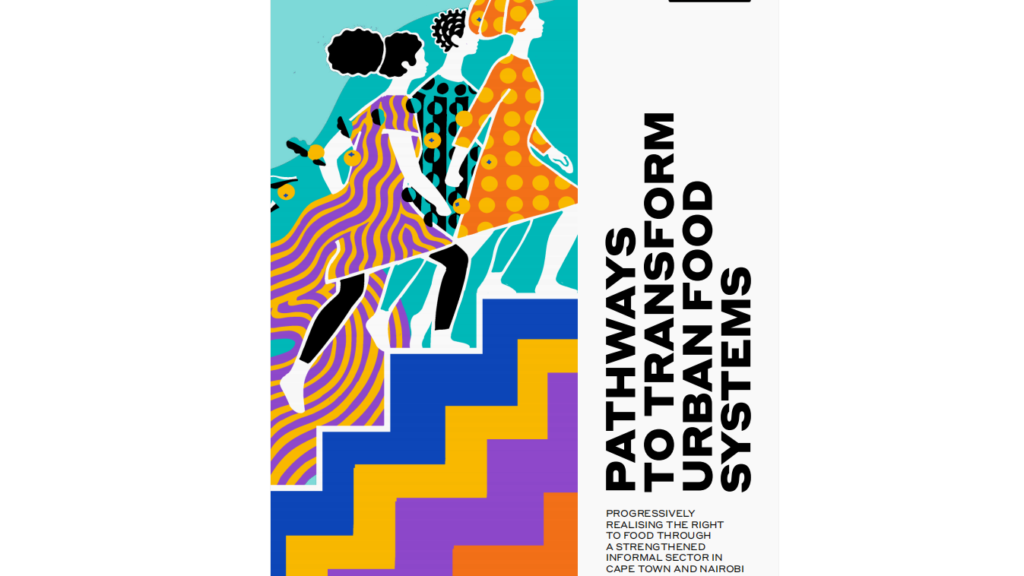
The impact of the COVID-19 pandemic and of the global food price spike that followed Russia’s attack on Ukraine have one common denominator: they have increased food insecurity. Lockdowns to curb the spread of COVID-19 disrupted local markets and value chains, livelihoods were lost, and food insecurity rose. According to FAO (2022, p. 13), the number of people who are hungry globally grew by 150 million people since the beginning of the pandemic.

Madhara ya janga la COVID-19 na ya kuongezeka kwa bei ya chakula ulimwenguni iliyofuatia ushambulizi wa Urusi katika Ukraine yana athari moja sawa: zimeongeza ukosefu wa chakula. Kupiga marufuku kutotangamana kwa watu kudhibiti kuenea kwa COVID-19 ilivuruga masoko mashinani na mnyororo wa thamani, njia za kupata riziki zilipotezwa, na ukosefu wa chakula iliongezeka.

L’impact de la pandémie de COVID-19 et de la flambée des prix alimentaires mondiaux survenue après l’attaque de l’Ukraine par la Russie. Les mesures deconfinement visant à freiner la propagation de la COVID-19 ont perturbé les marchés locaux et les chaînes de valeur ; des moyens de subsistance ont été perdus et l’insécurité alimentaire a augmenté.

The resilience of urban agriculture systems to climate change impacts has been little explored. It is known that urban and peri-urban agriculture (UPA) faces multiple challenges and constraints in the urban space ranging from soil and water contamination, exposure to climate-related risks and competition over space and resources often putting marginalized and poor population groups at a disadvantage.

Building on scoping research conducted between 2021 and 2022, TMG in collaboration with its programme partners in Cape Town and Nairobi convened in a two-day policy event on the 18-19 November 2022 in Cape Town. The event set out strengthen collaborations surrounding TMG’s Urban Food Futures (UFF) programme and to refine the positioning of the programme in order to maximise its contribution to solving the challenge of urban food insecurity.
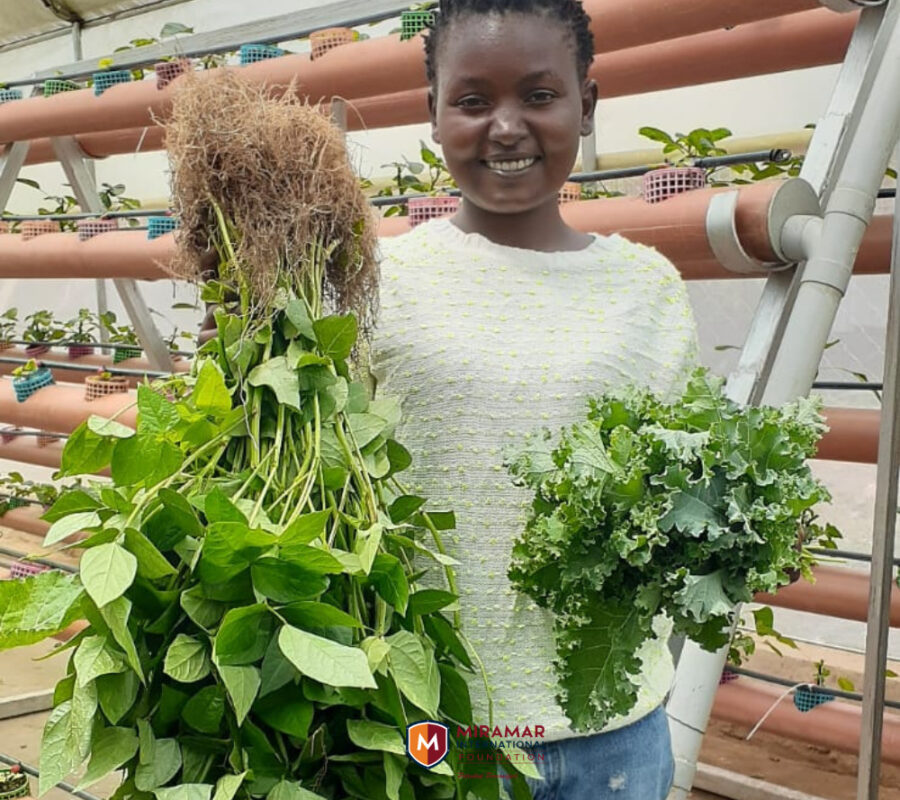
Urban and peri-urban agriculture (UPA) is increasingly being promoted by policy makers, donors, development agencies, and NGOs based on the assumption of its capacity to reduce vulnerabilities such as food insecurity and increase resilience to shocks and crisis while also bringing mitigation and other environmental, ecological, health, and human well-being benefits.